
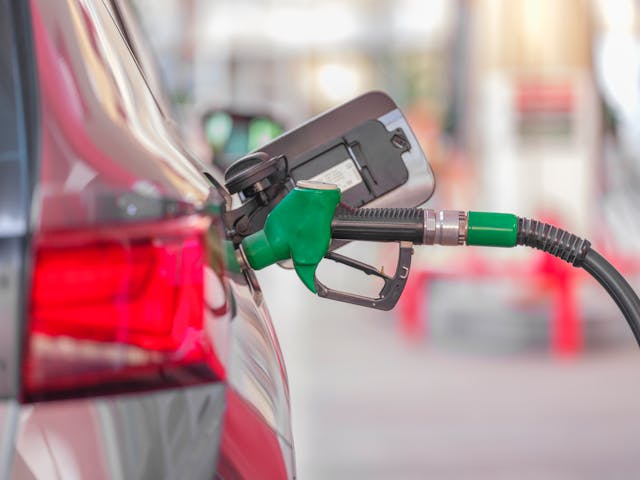
Businesses across the state are not generally experiencing empty service stations, but they are operating under conditions where fuel pricing, supply reliability, and transport costs can shift quickly and sometimes without warning.
Queensland’s fuel system is tightly connected to global oil markets. That means local businesses are affected by events far outside Australia, including shipping disruptions, geopolitical tensions, refinery outages, and currency movements. Even when supply is physically available, price instability alone can create significant operational strain.
For many operators, fuel is no longer a passive input cost. It has become a strategic variable that affects pricing decisions, contract negotiations, staffing logistics, and long-term planning. This shift is particularly significant in a state where transport distances are large and logistics-heavy industries dominate much of the economic activity.
Why Queensland is especially vulnerable
Queensland’s vulnerability to fuel insecurity is structural. The state covers a vast geographic area with widely dispersed population centres, regional towns, and remote communities. That distance creates heavy reliance on road transport, aviation, and diesel-powered machinery across most industries.
Unlike compact metropolitan economies where supply chains can be shortened or diversified more easily, Queensland businesses often have limited alternatives. A delivery route in Brisbane might be relatively efficient, but the same logistics model becomes far more complex and expensive when extended into regional or remote areas such as the outback or far north.
Another key factor is import dependency. Australia relies heavily on imported refined fuels, which means domestic availability is influenced by international shipping routes and refining capacity overseas. Any disruption in global supply chains can flow through into local price increases or tightening availability, even if domestic demand has not changed.
Queensland’s ports and distribution infrastructure are critical nodes in this system. When global shipping conditions tighten or freight costs rise, regional fuel distribution can feel the impact quickly, particularly in areas further from major coastal supply hubs.
Impact on different business sectors
Fuel insecurity does not affect all industries equally, but it does create a broad pressure across most of the Queensland economy.
Transport and logistics operators are among the most directly exposed. Fuel is their primary input cost, and even small increases can significantly affect margins. Many operators have little room to absorb volatility, especially in highly competitive freight markets where contracts may be fixed in advance.
Agriculture is another heavily affected sector. Farming operations depend on fuel for machinery, irrigation systems, transport of goods, and seasonal harvesting activities. Fuel price increases can directly impact production costs, particularly for broadacre farming where machinery usage is extensive.
Construction businesses also face significant exposure. Equipment such as excavators, trucks, generators, and cranes are fuel-dependent, and many construction projects involve transporting materials over long distances. Fuel fluctuations can affect project budgets, tender pricing, and profit margins.
Tourism and hospitality are affected indirectly but meaningfully. Transport costs influence tour pricing, supply chain expenses for food and goods, and the operational costs of remote tourism operators who rely on fuel for vehicles, boats, or small aircraft.
Even urban businesses in Brisbane or the Gold Coast are not insulated. Delivery services, commuting costs, and supplier logistics all feed into overhead increases that eventually influence pricing and competitiveness.
Operational challenges for business owners
One of the main challenges for Queensland businesses is uncertainty. Fuel price volatility makes forecasting more difficult. Budgeting for transport costs becomes less reliable, particularly for businesses operating on thin margins or long-term fixed contracts.
Another challenge is contract rigidity. Many businesses lock in service agreements or delivery prices months in advance. When fuel prices rise unexpectedly, those agreements can become unprofitable. On the other hand, overestimating fuel costs can make a business less competitive when bidding for contracts.
Staffing logistics also become more complex. In regional areas, employees often travel long distances to work sites. Rising fuel costs can affect wage expectations, commuting feasibility, and workforce availability.
Supply chain fragility adds another layer. Even short-term disruptions in fuel availability or delivery scheduling can create knock-on effects in industries that rely on just-in-time operations.
Strategic responses businesses are adopting
Queensland businesses are responding to fuel insecurity in a range of practical ways. One common approach is improving fuel efficiency across fleets and equipment. This includes upgrading to newer vehicles, implementing route optimisation software, and reducing unnecessary travel where possible.
Another strategy is pricing adjustment mechanisms. Some businesses are introducing fuel surcharges or index-linked pricing models that allow costs to adjust dynamically with fuel prices. While not always popular with customers, these mechanisms help protect margins in volatile conditions.
Diversification is also becoming more common. Some logistics operators are combining transport methods or using regional staging points to reduce long-haul fuel consumption. Others are investing in partial electrification for short-distance urban deliveries, where infrastructure allows.
Forward contracting is another tool. Businesses with large fuel exposure may lock in fuel prices through contracts or hedging arrangements to reduce uncertainty. While this does not eliminate cost risk, it can provide greater predictability.
Operational discipline is increasingly important as well. Many businesses are reviewing travel policies, consolidating trips, and improving load efficiency to reduce fuel waste.
Longer-term structural considerations
Fuel insecurity is also accelerating broader conversations about energy transition in Queensland. While liquid fuels remain essential for many sectors, there is increasing interest in electrification, alternative fuels, and hybrid operational models.
However, transition is uneven. Heavy freight, agriculture, and remote operations still rely heavily on diesel, and viable alternatives are not always immediately available or cost-effective. As a result, businesses are operating in a hybrid reality where fuel dependence persists even as long-term change begins to develop.
Infrastructure development will play a key role in shaping this transition. Expansion of electric vehicle charging networks, investment in renewable energy systems, and improvements in regional energy resilience will all influence how quickly businesses can reduce exposure to fuel volatility.
Talk To Us About The Uncertainty
Running a business in Queensland today means operating in an environment where fuel is both essential and unstable. While there is no widespread collapse in supply, the combination of global dependence, geographic scale, and transport-heavy industries creates ongoing sensitivity to price and availability shifts.
Businesses that adapt successfully tend to treat fuel not as a fixed overhead but as a managed risk. Through efficiency improvements, pricing strategies, and operational adjustments, many are finding ways to remain resilient even in uncertain conditions. However, the underlying reality remains: fuel insecurity is now a structural feature of doing business in Queensland, not an occasional disruption.