
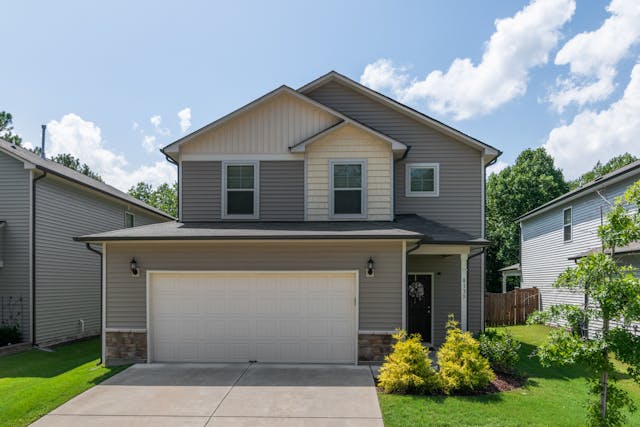
Queensland’s housing market has continued to show remarkable strength in early 2026, with property prices outpacing national growth trends. This is particularly evident in Brisbane, where the demand for residential real estate remains high, and median house prices continue to rise steadily. For business owners, these housing market conditions have implications that go far beyond property investment, influencing workforce availability, commercial leasing costs, and broader operational expenses. Understanding these dynamics is essential for Queensland businesses seeking to plan for growth, manage costs, and maintain a competitive edge.
Residential Housing Trends in Queensland
Queensland has experienced strong population growth in recent years, driven by interstate migration, lifestyle appeal, and economic opportunities in urban and regional centres. Brisbane, the Sunshine Coast, and the Gold Coast have been primary beneficiaries of this trend, with increasing demand for housing pushing property prices higher. Even as national markets show signs of stabilisation or slower growth, Queensland continues to outperform, creating a unique environment for business owners to navigate.
The rising cost of housing can have a multifaceted impact on local businesses. As property prices increase, so do rental rates, mortgage repayments, and associated living costs for employees. For businesses that rely on skilled staff, these higher costs can influence recruitment and retention. Employees may need higher salaries to afford housing, which can place additional pressure on business budgets, particularly for SMEs.
Impact on Commercial Real Estate Costs
The residential property market directly influences the commercial real estate sector. In Queensland, high demand for housing has coincided with increased interest in mixed-use developments and urban infill projects, leading to higher prices for commercial premises in key growth areas. Businesses looking to lease or purchase office, retail, or industrial space face upward pressure on rents and acquisition costs.
For small and medium enterprises, these increases can affect profitability and operational flexibility. Higher commercial leasing costs may force some businesses to reconsider expansion plans, relocate to more affordable areas, or invest in remote work solutions to reduce dependency on costly office space. For larger companies, rising real estate expenses can influence overall strategic planning, including site selection, workforce distribution, and capital allocation.
Workforce Recruitment and Retention
A tighter housing market also has direct consequences for workforce availability. Employees seeking affordable housing may face longer commutes, reduced disposable income, or even the need to relocate, making recruitment and retention more challenging for Queensland businesses. Industries with lower wage structures, such as hospitality, retail, and trades, are particularly vulnerable to these pressures, as staff may find it increasingly difficult to secure suitable accommodation near their workplace.
To address these challenges, businesses are adopting a variety of strategies. Some are offering relocation assistance or housing allowances to attract and retain skilled workers. Others are exploring flexible work arrangements, such as hybrid or remote working, to broaden the pool of potential employees. Additionally, investing in professional development and employee engagement initiatives can help mitigate the effects of housing-related financial pressures on staff retention.
Broader Economic Implications
The housing market does not just affect businesses directly; it also influences consumer behaviour and local economic activity. Rising property values can create greater household wealth for homeowners, leading to increased spending on goods and services. However, for those renting or entering the property market, higher costs can limit disposable income, reducing spending in areas such as retail, hospitality, and leisure.
For Queensland businesses, these dynamics mean that market conditions must be closely monitored and incorporated into operational and financial planning. Pricing strategies, product offerings, and marketing campaigns may need to be adjusted to account for shifts in consumer purchasing power caused by housing costs. Businesses with a large customer base of local residents must remain agile to adapt to these evolving economic conditions.
Regional Variations
While Brisbane remains a focal point of high housing demand, other Queensland regions such as the Sunshine Coast, Gold Coast, and regional centres have also experienced significant property growth. These regional markets present unique opportunities and challenges for businesses. On one hand, lower commercial and residential costs compared to Brisbane can attract new enterprises and investment. On the other hand, rapid growth in these areas can lead to infrastructure strain, increased competition for skilled labour, and rising local costs over time.
Understanding regional housing market trends is critical for businesses considering expansion or relocation. Detailed market analysis can help businesses identify growth corridors, anticipate workforce challenges, and make informed investment decisions that balance opportunity with risk.
Strategies for Business Adaptation
To navigate the effects of the housing market on Queensland business, owners and managers should adopt proactive strategies. Key approaches include:
- Financial Planning: Adjust budgets to account for rising labour costs and commercial rents, ensuring that growth plans remain sustainable.
- Workforce Strategies: Consider flexible work options, relocation support, and employee benefits that can offset housing pressures and improve retention.
- Location Assessment: Evaluate alternative commercial locations in high-demand regions or regional centres that may offer more affordable options.
- Investment in Technology: Leverage technology to enable remote work, optimise productivity, and reduce reliance on physical office space.
- Community Engagement: Understand local housing trends and infrastructure developments to anticipate changes in consumer demand and workforce availability.
By integrating these strategies, Queensland businesses can maintain resilience, attract and retain talent, and manage operational costs effectively despite a challenging housing market.
Talk to Aqua Gold about Market Conditions affecting Your Business
Queensland’s housing market in early 2026 continues to influence business conditions in significant ways. Rising residential and commercial property prices, particularly in Brisbane, affect workforce recruitment, retention, operational costs, and consumer behaviour. Businesses that understand these dynamics and implement proactive strategies are better positioned to thrive in a competitive environment.
Monitoring housing trends, planning for increased costs, and adopting flexible workforce and location strategies are essential for Queensland business owners. By anticipating the effects of a tight housing market, businesses can make informed decisions, maintain profitability, and ensure long-term stability while remaining competitive in one of Australia’s most dynamic economic regions.